Blog
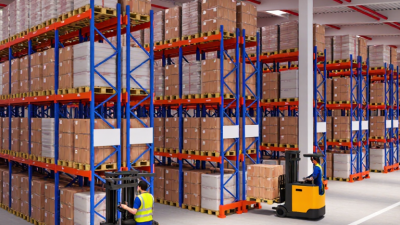
How to Choose the Best Pallet Storage Racking System?
Choosing the right Pallet Storage Racking System starts with the pallets you actually store, not a catalogue photo. Measure pallet width, depth, height, and loaded weight. Then check how often each product moves. A warehouse handling fast-moving cartons may need different access than one storing seasonal stock. Small details matter. A few extra centimetres can affect clearance, while an underestimated load can compromise a rack’s safe use.
Before comparing systems, map your building and daily operations. Note ceiling height, columns, floor condition, sprinkler clearance, forklift type, and aisle space. Selective racking offers direct access to each pallet, while drive-in or push-back layouts can increase storage density but change how stock is reached. No option is best in every warehouse. The right choice depends on the trade-off between access, capacity, and workflow. Ask suppliers for clear load information, installation requirements, and guidance on inspections. Have site-specific designs reviewed by qualified professionals.
A spreadsheet can make the options look simple. Real warehouses are less tidy. Products change, operators make practical adjustments, and a layout that works today may feel restrictive next year. Leave room for growth where possible, and test proposed routes with the equipment used on site. This guide explains the main rack types, the measurements worth checking, and the questions to ask before investing. Use it as a starting point, not a substitute for verifying your actual loads and building conditions.
Read more »
 By:Elara
- November 12, 2026
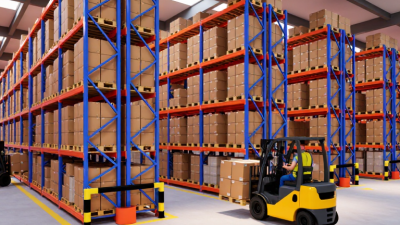
How to Choose the Right Pallet Racking in 2026?
Choosing Pallet Racking in 2026 starts with the work your warehouse must handle, not with a catalog photo. Measure the available floor space, clear height, aisle widths, and the dimensions of your loaded pallets. Note their heaviest realistic weight, too. A rack that fits an empty pallet may not suit a bulky, uneven load.
Then match the system to daily operations. Selective racking offers direct access to each pallet, while higher-density options can reduce access or require specific handling equipment. Consider your forklift type, picking frequency, stock rotation, and plans for future growth. Small details matter. A few centimeters can affect clearance, and a narrow aisle may slow turning or picking. These trade-offs are easy to miss on a floor plan.
Before comparing prices, confirm that the proposed design accounts for load ratings, beam levels, floor conditions, and any site-specific requirements. Ask suppliers to explain their assumptions and provide documentation for the exact configuration—not just a general product sheet. Check that installation, protection, and inspection arrangements are clear, and consult qualified professionals about applicable local standards. Warehouse needs change, so leave room to review the design as inventory and equipment evolve. There is no perfect layout. The best choice is the one that supports safe, reliable work under real operating conditions, even if that means revisiting an early assumption.
Read more »
By:Elara
- November 12, 2026
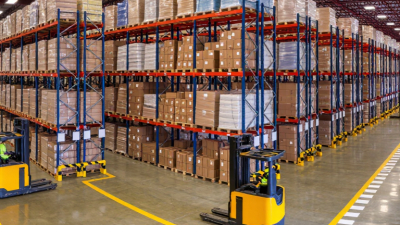
Why Choose Pallet Rack Systems for Your Warehouse?
Warehouse space is costly, and poor storage design can turn clear aisles into bottlenecks. Pallet Rack Systems use vertical space to organize inventory, improve access, and support changing product flows. MHI’s 2024 Annual Industry Report found that 55% of surveyed supply-chain professionals planned to increase investment in innovation. The finding reflects growing pressure to make warehouse operations more capable and efficient. It does not mean every facility needs automation or a larger rack footprint.
“The competition is not between companies, but between supply chains,” writes logistics expert Martin Christopher. His observation offers a useful lens: storage choices affect how reliably goods move through a facility. Selective racks, for example, give forklift operators direct access to individual pallet positions. That can suit warehouses with many product types and frequent picking. High-density configurations may increase storage capacity, but can limit access or require different handling equipment. Details matter. Beam capacity, pallet dimensions, load labels, aisle width, floor condition, and sprinkler clearance all shape a safe, workable layout. A rack that looks efficient on a drawing may disappoint when operators meet it on a busy shift.
Pallet Rack Systems are not a cure-all. They cannot fix inaccurate inventory or poor receiving practices. A credible decision starts with actual stock profiles, throughput, equipment, and plans for future growth. Measure the space. Watch the work. Then compare layouts with qualified rack-design professionals and applicable technical guidance. The best system is not always the densest one. It is the one people can use consistently, inspect properly, and adapt as needs change.
Read more »
By:Elara
- November 12, 2026