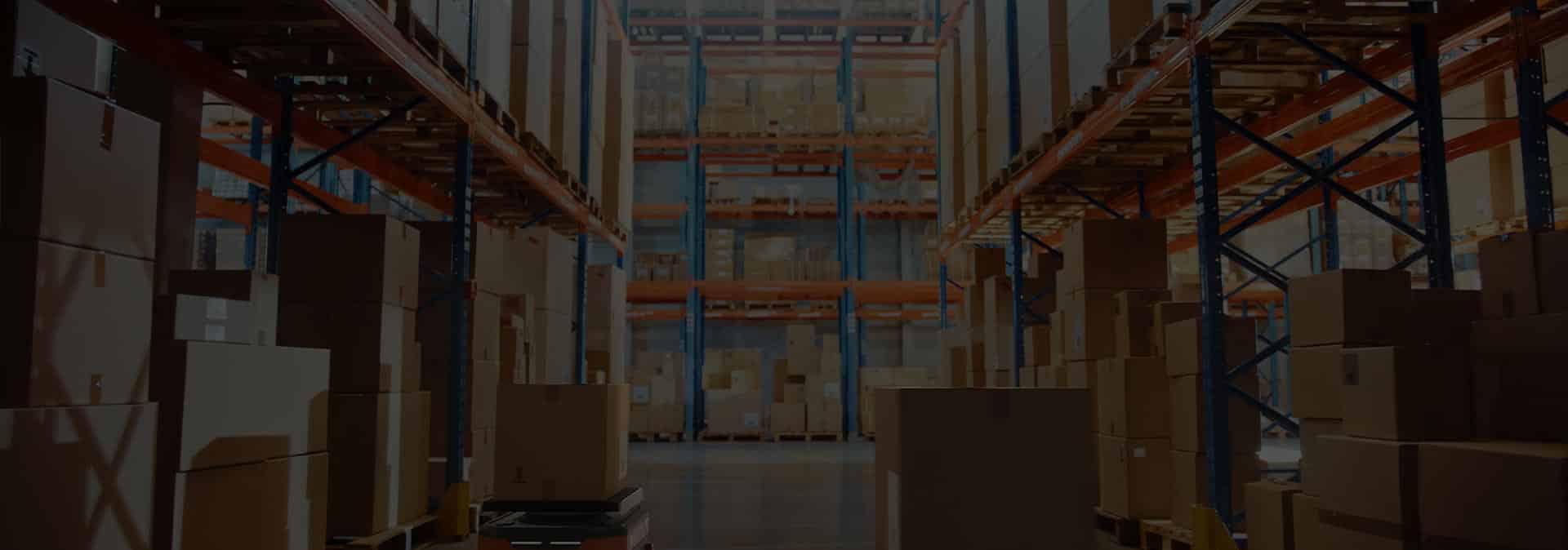
 HD-1000
Heavy-Duty Industrial VLM Series
Engineered for heavy machine parts, automotive dies, structural castings, and raw tooling materials. Features dual-chain lift mechanics and reinforced steel trays supporting up to 1,000 kg payload per tray.
In an era of rising real estate costs, supply chain volatility, and acute labor shortages, traditional static shelf racking represents a structural bottleneck. Vertical Lift Modules (VLMs) transform linear, horizontal storage into a dynamic, enclosed vertical column driven by dual-shuttle elevators, real-time SKU height profiling, and Goods-to-Person ergonomics.
A Vertical Lift Module operates as an enclosed automated storage tower containing two vertical rack columns—one at the front and one at the rear—with an internal central elevator extractor shuttle. Unlike static shelving or fixed-pitch carousels, a VLM measures the exact height profile of every incoming inventory tray using an array of optical light curtains accurate to within 25 millimeters.
Once measured, the internal micro-controller calculates the optimum vertical location inside the tower matrix and places the tray with zero wasted head space. This dynamic slotting capability compresses hundreds of square meters of conventional shelf storage into a compact footprint as small as 7 to 14 square meters, effectively utilizing clear facility heights up to 20 meters.
At Ecuador Heavy Shelving Solutions S.A., we engineer every Vertical Lift Module installation to solve real-world industrial challenges: seismic ground forces along the Pacific tectonic plate, aggressive ambient moisture in port zones like Guayaquil and Manta, and high-velocity SKU throughput requirements in major distribution hubs.
Ecuador Heavy Shelving Solutions S.A. designs, manufactures, and integrates heavy-duty VLM configurations engineered specifically for specialized payload capacities, high-velocity picking, cleanroom compliance, and extreme industrial environments.
HD-1000Engineered for heavy machine parts, automotive dies, structural castings, and raw tooling materials. Features dual-chain lift mechanics and reinforced steel trays supporting up to 1,000 kg payload per tray.
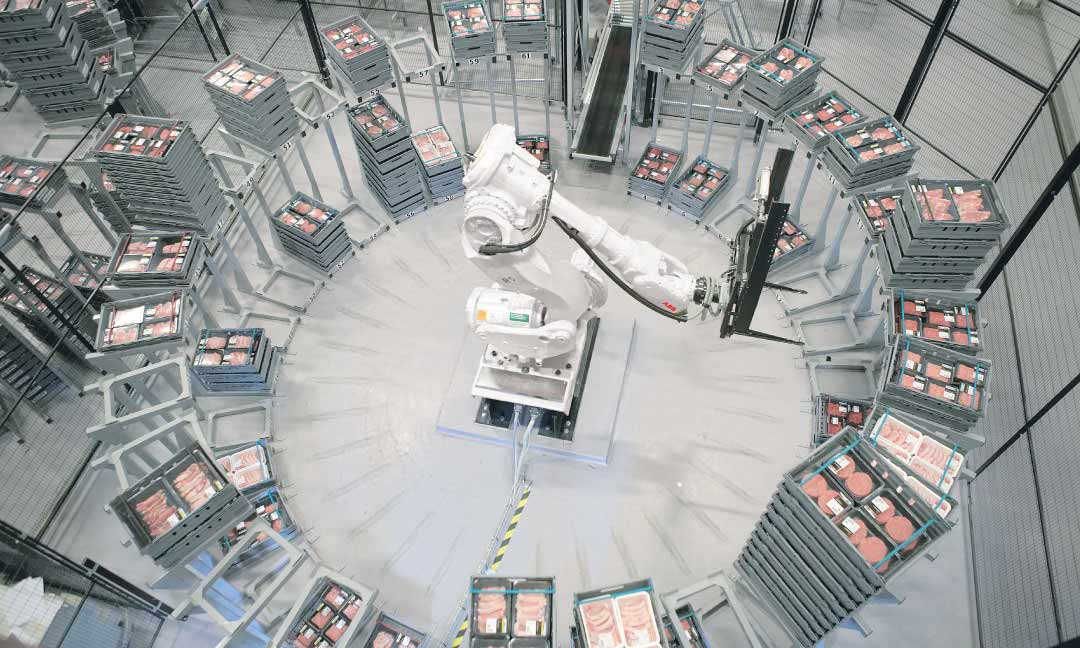 FAST-TRACK
Designed for high-throughput e-commerce fulfillment, electronics, and spare parts distribution. Integrates an interleaved dual-tray elevator that presents one tray while staging the next behind internal shutter doors.
 CLIMATE
Custom-built for cold chain logistics, bio-pharmaceutical storage, and high-purity microelectronics. Fully insulated enclosure maintains stable internal temperatures down to -25°C or positive pressure ISO Cleanroom standards.
| Technical Specification | VLM-HD 1000 (Industrial) | VLM FastTrack (High Velocity) | VLM Climate (Cold / Clean) |
|---|---|---|---|
| Maximum Tray Load Capacity | 1,000 kg (2,200 lbs) | 500 kg (1,100 lbs) | 750 kg (1,650 lbs) |
| Tray Width Dimensions | 1,900 mm to 4,400 mm | 1,500 mm to 3,000 mm | 1,900 mm to 3,600 mm |
| Tray Depth Dimensions | 625 mm to 1,250 mm | 625 mm to 864 mm | 625 mm to 1,016 mm |
| Maximum Machine Height | 20.5 meters | 16.0 meters | 18.0 meters |
| Vertical Elevator Speed | Up to 2.0 m/s (variable frequency drive) | Up to 3.5 m/s (servo-controlled) | Up to 2.2 m/s (insulated drive housing) |
| Lift Mechanism Type | Hardened Steel Roller Chains | High-Tensile Steel Cord Tooth Belts | Sealed Heavy-Duty Roller Chains |
| Optical Height Scanning Pitch | 25 mm dynamic resolution | 25 mm dynamic resolution | 25 mm dynamic resolution |
| Access Bay Configuration | Single, Dual, or Multi-Floor Openings | Interleaved Dual-Tray Delivery Window | Air-Lock Shutter Bay Interface |
| Positioning Accuracy | ± 1.0 mm at access bay | ± 0.5 mm at access bay | ± 1.0 mm at access bay |
| Control Software Interface | Color Touchscreen PLC + WMS Middleware | Interactive Pick-to-Light LED Pointer | Climate Monitoring PLC + ERP Interface |
*Custom engineering configurations are available for high seismic zones (NEC-SE-DS) and specialized footprint restrictions across Ecuador and international export destinations.
Global supply chain directors are no longer purchasing isolated automated hardware; they are procuring integrated, intelligent warehouse ecosystems. Here are the core technological shifts driving VLM procurement strategies through 2030.
Modern VLMs continuously analyze real-time order velocity. Embedded AI algorithms re-slot fast-moving SKUs (Class A inventory) closer to the pick window during low-activity shifts, reducing elevator travel time by up to 35%.
The boundary between vertical storage and horizontal transport has disappeared. Next-gen VLMs feature automated AMR loading tables that transfer entire trays or pick totes directly to mobile robots without human intervention.
Integrated telemetry sensors constantly monitor elevator motor torque profiles, drive belt resonance, and bearing temperatures. System anomalies generate automated maintenance alerts prior to component failure.
Sustainability and energy reduction are key procurement criteria. Advanced VLM elevators capture gravitational kinetic energy during heavy tray descent, converting it back into electrical power for the main grid.
Eliminate operator search time completely. High-intensity LED displays and directional laser pointers highlight the exact bin compartment and pick quantity, driving picking accuracy to 99.9%.
Specifically engineered for earthquake-prone regions, internal digital accelerometers detect seismic P-waves, instantly locking the elevator carriage and securing all internal trays within split seconds.

Deploying automated storage technology into demanding industrial facilities requires more than standard equipment delivery. It demands structural expertise, precise civil engineering, and long-term local support.
Ecuador Heavy Shelving Solutions S.A. stands as the regional benchmark in heavy-duty storage engineering and automated material handling. Our commitment to Google's E-E-A-T principles (Experience, Expertise, Authoritativeness, and Trustworthiness) is reflected in our rigorous project execution methodology:
From initial data profiling to lifetime maintenance, our structured methodology ensures seamless execution, on-time delivery, and total compliance with international safety codes.
We analyze your SKU dimensions, velocity profiles, payload weights, and order picking patterns.
Concrete floor slab core evaluation, point load calculations, and NEC-SE-DS seismic anchor array design.
High-precision fabrication of structural towers, elevator carriages, and steel trays built to exact specs.
Certified installation technicians assemble the tower structure, calibrate lift belts/chains, and wire PLC panels.
Connecting the VLM software to your ERP/WMS database, testing barcode scanners, and fine-tuning Pick-to-Light systems.
Comprehensive ergonomics training for warehouse staff and SLA maintenance coverage for continuous uptime.
Technical, financial, and operational answers addressing the core questions global supply chain managers ask when evaluating VLM investments.
Send your facility floor plan, clear height details, and SKU data directly to our structural design team.
[email protected] Inquire NowVertical Lift Modules typically deliver a full return on investment (ROI) within 12 to 22 months depending on local facility rental rates, labor costs, and inventory values. ROI calculations are driven by three quantifiable operational shifts:
Ecuador sits directly along the Pacific Ring of Fire. Installing a tall, narrow automated vertical column requires specialized structural engineering. Ecuador Heavy Shelving Solutions S.A. performs dynamic seismic calculations for every project using criteria from the Ecuadorian Construction Standard (NEC-SE-DS), ANSI MH16.1, and EN 16681.
Engineering modifications include: heavy-duty base plates anchored into concrete slabs verified for shear and tension loads, internal cross-bracing frameworks engineered to absorb lateral seismic acceleration, structural top-of-tower tie-backs to building steelwork (where permitted), and automatic P-wave seismic sensors that immediately lock the elevator mechanism during an earth tremor.
Our Vertical Lift Modules feature open software architecture that integrates seamlessly with host enterprise software. Supported integration protocols include RESTful APIs, Web Services, ODBC database links, and flat-file automated exchanges.
Direct pre-built connectors are available for standard WMS/ERP platforms including SAP S/4HANA, Oracle NetSuite, Microsoft Dynamics 365, Manhattan Associates, Infor, and custom SQL enterprise software. The VLM management software synchronizes inventory counts in real time, manages order pick queues, tracks lot numbers, and monitors expiration dates.
The choice between steel-reinforced tooth belts and hardened precision roller chains depends entirely on your operational payload profile:
When an operator returns a tray into the VLM access opening, the elevator draws the tray through a vertical array of precision optical light curtain sensors. This sensor curtain scans the highest point of any object placed on the tray down to 25 mm increments.
The internal PLC cross-references this exact height measurement with all available storage slots in the front and rear rack columns. It automatically stores the tray in the tightest fitting slot available. If items are removed from a tray on a subsequent pick, the system re-measures the tray on return and re-slots it lower if space has opened up, maintaining peak vertical density automatically.
Because a VLM concentrates heavy static and dynamic loads onto a compact footprint, slab structural integrity is critical. A standard VLM tower typically requires a non-cracked industrial concrete slab with a minimum thickness of 150 mm to 200 mm and a compressive concrete strength of at least f'c = 25 MPa to 30 MPa (3,600 PSI to 4,350 PSI).
During the engineering phase, Ecuador Heavy Shelving Solutions S.A. evaluates total point loads at each anchor location. If slab thickness is insufficient, our civil engineering team designs localized concrete pad footings or spread plates to guarantee safe anchor retention under maximum dynamic operating and seismic force scenarios.
Our engineering team will model your SKU profile, calculate floor space recovery metrics, and deliver a detailed 3D CAD layout with structural seismic compliance documentation.
Available ceiling height under lights, sprinklers, and roof trusses (from 4m up to 20m+).
Target load weight per tray (350 kg, 500 kg, 750 kg, or 1,000 kg heavy-duty models).
Required order pick lines per hour and integration requirements with SAP, Oracle, or WMS.
City and region for seismic NEC-SE-DS loading and coastal anti-corrosion finish specifications.
Direct your engineering inquiries and layout requests to [email protected] — our automation team will reply within 24 hours.
Inquire Now