Choosing the right Pallet Storage Racking System starts with the pallets you actually store, not a catalogue photo. Measure pallet width, depth, height, and loaded weight. Then check how often each product moves. A warehouse handling fast-moving cartons may need different access than one storing seasonal stock. Small details matter. A few extra centimetres can affect clearance, while an underestimated load can compromise a rack’s safe use.
Before comparing systems, map your building and daily operations. Note ceiling height, columns, floor condition, sprinkler clearance, forklift type, and aisle space. Selective racking offers direct access to each pallet, while drive-in or push-back layouts can increase storage density but change how stock is reached. No option is best in every warehouse. The right choice depends on the trade-off between access, capacity, and workflow. Ask suppliers for clear load information, installation requirements, and guidance on inspections. Have site-specific designs reviewed by qualified professionals.
A spreadsheet can make the options look simple. Real warehouses are less tidy. Products change, operators make practical adjustments, and a layout that works today may feel restrictive next year. Leave room for growth where possible, and test proposed routes with the equipment used on site. This guide explains the main rack types, the measurements worth checking, and the questions to ask before investing. Use it as a starting point, not a substitute for verifying your actual loads and building conditions.
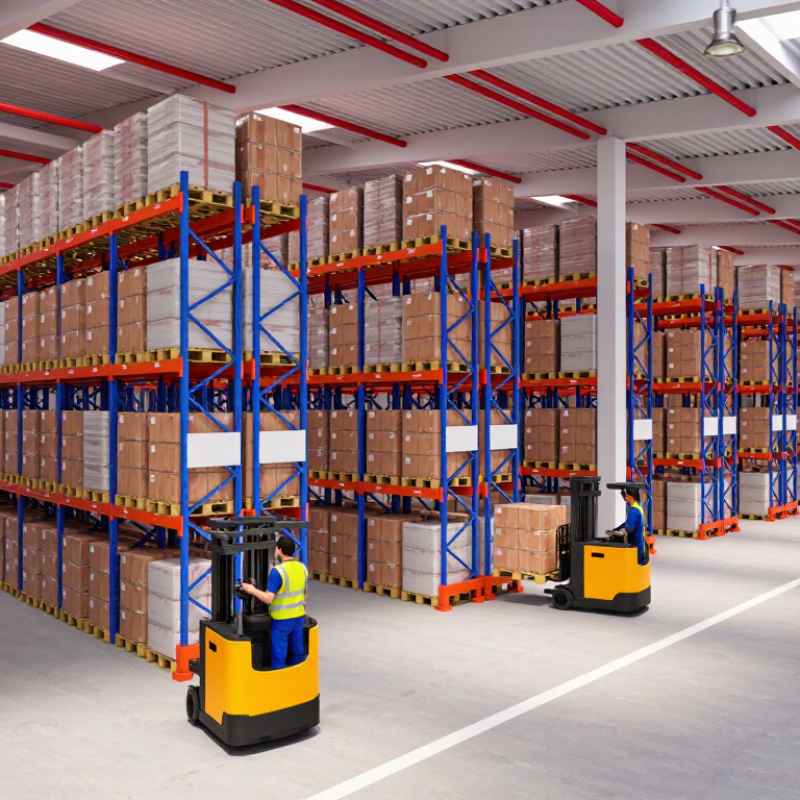
Define Inventory and Throughput Requirements
Define the inventory before comparing pallet storage racking systems. List each SKU, pallet dimensions, loaded weight, and the number of pallets stored. Note which items move daily and which may sit for weeks. These details affect whether selective access or higher-density storage better fits the operation. Measure actual pallets, not just the nominal size on a purchasing sheet. Small variations matter.
Throughput is the other half of the decision. Track inbound and outbound pallets per shift, order lines picked, and peak-day volume. A site moving 40 pallets on an ordinary day may handle 90 before a seasonal rush. Where do pallets wait during receiving and dispatch? Aisles can become staging space. That changes the usable capacity.
I would avoid planning around monthly averages alone. They can hide busy hours and awkward product mixes. Check how often operators need direct access to each SKU, and how many forklift movements a typical replenishment requires. If several fast-moving items share a deep lane, access may slow down. It sounds efficient on paper. Test the numbers against a real shift, including damaged or inconsistent pallets. Those are easy to overlook.
How to Choose the Best Pallet Storage Racking System? - Define Inventory and Throughput Requirements
| Inventory and operating profile | Typical SKU count | Pallets per SKU | Indicative storage requirement | Daily pallet moves (inbound + outbound) |
Selectivity requirement | Racking systems to evaluate | Key planning consideration |
|---|---|---|---|---|---|---|---|
| Broad assortment, low stock per item | 500–2,000 | 1–4 | 300–1,500 pallet positions | 50–150 | High: most SKUs need direct access | Selective pallet rack | Prioritize direct access and clear SKU locations; deeper storage can make individual pallets harder to reach. |
| Moderate assortment, several pallets per item | 100–500 | 5–20 | 1,000–5,000 pallet positions | 100–400 | Medium to high | Selective rack or double-deep rack | Compare the additional storage density of double-deep layouts with the need for suitable reach trucks and access to rear pallets. |
| Low SKU variety with substantial stock per item | 10–100 | 20–100 | 2,000–10,000 pallet positions | 200–800 | Low to medium | Drive-in rack or pallet shuttle system | Assess whether each lane can hold enough of one SKU and whether the operating method fits the required loading and retrieval sequence. |
| Fast-moving, highly uniform products | 5–50 | 50 or more | 5,000 or more pallet positions | 500 or more | Low, with high movement capacity | Pallet flow rack or shuttle-assisted storage | Check pallet consistency, replenishment frequency, lane capacity, and whether the system can handle peak dispatch periods. |
| Seasonal or variable inventory with peak periods | 50–500 | Highly variable | Plan for average stock and peak stock separately | 100–500 at peak | Usually high for active items | Selective rack for active stock, with a suitable dense-storage area for reserve stock | Size for the actual peak requirement, and consider how reserve pallets will be replenished without disrupting picking. |
Planning note: These ranges are illustrative screening values, not design specifications. Confirm actual pallet dimensions and loads, SKU-level stock and movement history, peak throughput, order-picking method, handling equipment, aisle requirements, building constraints, and applicable local safety requirements before selecting a system.
FAQS
Choose based on how often pallets move. Selective racks give direct access to every load but use more aisle space.
It suits uniform products with predictable rotation. Forklifts enter the lanes, so loading order matters.
Push-back carts move pallets toward the aisle as new loads enter. Pallet condition and storage depth can affect movement.
Check pallet dimensions, load suitability, and maintenance needs. Gravity rollers move loads toward the picking face.
Include pallet and product weight, plus uneven weight distribution. Check the rated capacity for each beam level and rack bay.
Measure ceiling height, columns, sprinkler lines, floor condition, and forklift turning space. Mark proposed rows and walk the routes.
Look for bent uprights, loose anchors, and damaged connectors. Stop using an affected section until it has been assessed.
Mock up a rack bay with floor tape and empty pallets. It may reveal awkward turns. Paper plans can miss them.
Conclusion
Choosing the right Pallet Storage Racking System begins with understanding what you need to store and how quickly inventory moves through your warehouse. Consider pallet dimensions, product weight, stock rotation, order volume, and the number of pallet positions required. Then measure the available space, including ceiling height, aisle widths, floor conditions, and access for forklifts or other handling equipment. These details help define what a system can safely and practically accommodate.
Compare racking configurations based on storage density, accessibility, and operating needs. Before making a decision, verify that the selected system’s load capacities suit your inventory and that its safety features and installation plan fit the site. A well-matched system should support efficient daily operations while allowing room for inspection, maintenance, and future changes. Careful planning from initial measurements through installation helps ensure the racking is functional, safe, and suited to your warehouse’s long-term requirements.
