Heavy-Duty Racking & Industrial Storage Systems
Engineered high-density rack configurations certified under European EN 16681, American ANSI MH16.1, and NEC seismic structural compliance standards.
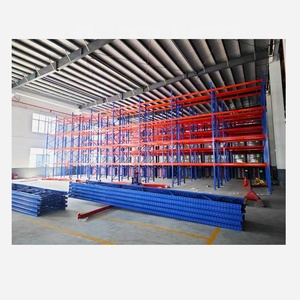
Heavy Duty Warehouse Storage Rack Pallet Racking System Customized Design for Industrial Warehouse
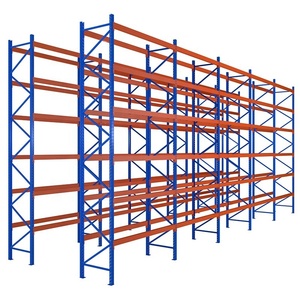
Heavy Duty Metal Storage Pallet Rack Industrial Shelving Warehouse Rack
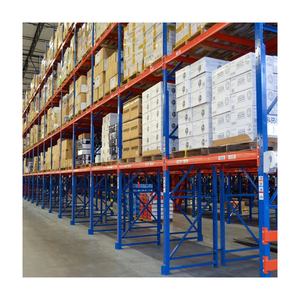
Wholesale Price Heavy Duty Storage Racks Warehouse Stacking Racks Selective Steel Pallet Rack
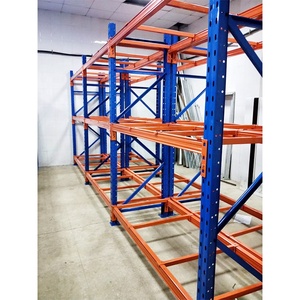
Steel Shelving Adjustable Metal Boltless Shelf Pallet Storage Use Metal Racking Stacking Racks & Shelves
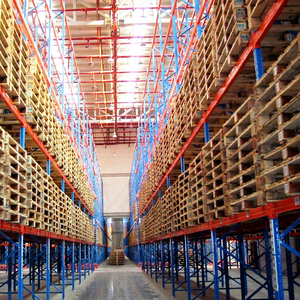
Manufacturer Heavy Duty Warehouse Shelving/storage Pallet Rack /selective Heavy Duty Racking System
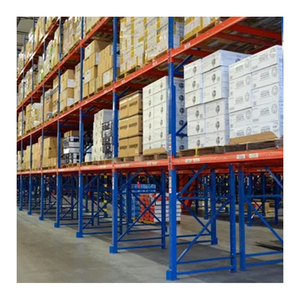
Industrial Warehouse Storage Steel Pallet Rack with CE Certificate Beam Racking Powder Coating Finish
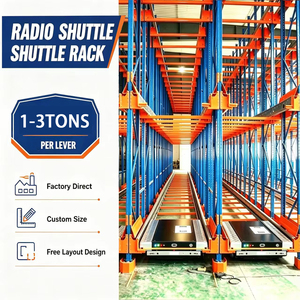
Custom Radio Shuttle Rack Heavy Duty Industrial Steel Storage System for High Density Warehouse Warehousing
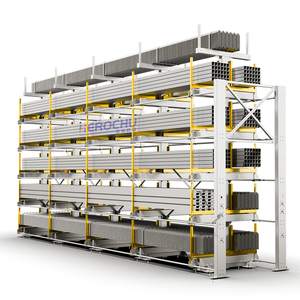
Highly Efficient Safe Industrial-grade Heavy-duty Foldable Cantilever Warehouse Rack 3T/Layer Capacity Anti-Rust
Whitepaper: Engineering High-Density Structural Racking for Modern Logistics
Global supply chain efficiency is fundamentally governed by the structural integrity and cubic-space utilization of modern industrial warehousing. As industrial land values escalate globally, warehouse operators, logistics executives, and procurement directors must transition from legacy static shelving to engineered high-density selective racking, radio shuttle systems, and multi-tier mezzanines. Choosing trusted warehouse racking solutions factories and direct-exporter manufacturing partners is no longer merely a commercial purchasing decision; it is a critical structural engineering specification that directly impacts operational safety, regulatory compliance, and long-term asset amortization.
Structural reliability requires an rigorous evaluation of yield strengths, beam-to-upright connection mechanics, and local dynamic environmental forces. Racking systems deployed in seismic regions—such as the Pacific Ring of Fire spanning Latin America (including Ecuador's key logistics hubs in Guayaquil, Quito, and Cuenca)—must adhere to dynamic seismic performance criteria established under standards such as NEC-SE-DS (Ecuadorian Construction Code), ANSI MH16.1 (Specification for the Design, Testing and Utilization of Industrial Steel Storage Racks), and European Norm EN 16681. Standard cold-rolled structural steel profiles under perform when subjected to cyclic lateral shear stresses unless precisely calculated via Finite Element Analysis (FEA) and paired with adequate concrete slab anchorages.
Information Gain Key Takeaway: Upright frame capacity is not solely governed by metal thickness, but by section geometry, perforation profiling, and frame bracing topology. Utilizing high-tensile Q355B structural steel yields up to a 28% increase in load-bearing efficiency compared to standard Q235 steel profiles, significantly reducing total dead weight without compromising structural safety factors.
Metallurgical Standards and Anti-Corrosion Surface Engineering
The lifespan of a warehouse racking installation depends on material selection and surface protection technology. Industrial racking components face severe micro-climatic degradation depending on their operating geography. For example, coastal distribution centers in Guayaquil, Manta, or Machala experience high ambient humidity combined with atmospheric chloride deposition (salinity), accelerating intergranular oxidation on unprotected steel profiles. Similarly, sub-zero cold storage facilities for seafood, shrimp, and floriculture exports induce condensation cycles during defrost periods.
To mitigate premature degradation, premier racking factories implement double-pass automated powder-coating processes using thermosetting epoxy-polyester formulations. For outdoor staging areas, open loading docks, or sub-zero high-humidity environments, hot-dip galvanizing conforming to ISO 1461 ensures a sacrificial zinc barrier (minimum coating thickness of 65–85 µm), shielding the structural core against corrosion for decades.
Factory Precision & Structural Manufacturing Capabilities
How our direct manufacturing ecosystem delivers structural reliability, seismic verification, and tailored OEM customization.
Structural Racking Systems: Engineering Selection Matrix
Selecting the optimal pallet storage configuration requires balancing volume density, SKU selectivity, forklift aisle clearances, and throughput speed. The matrix below contrasts the performance profiles of primary heavy-duty warehouse racking formats utilized across modern industrial distribution centers.
| Racking Architecture | Storage Density | SKU Selectivity | Forklift Aisle Requirement | Stock Rotation Strategy | Optimal Industry Application |
|---|---|---|---|---|---|
| Selective Pallet Racking | Moderate (40–50%) | 100% Direct Access | 3.0m – 3.5m (Standard) | FIFO / LIFO | General Logistics, E-commerce, High-SKU Distribution |
| Radio Shuttle System | Maximum (80–85%) | Channel Selective | 3.0m (Front Aisle Only) | FIFO / LIFO (Configurable) | Cold Storage, FMCG, Beverage, Bulk Food Processing |
| Drive-In Racking | High (65–75%) | Low (Block Access) | Drive-In Channels | LIFO Strictly | Seasonal Staging, Uniform Batch Storage, Cold Stores |
| Cantilever Racking | Custom Linear | 100% Linear Access | Variable based on stock length | Any | Rebar, Steel Pipe, Lumber, Plastic Profiles, Extrusions |
| Very Narrow Aisle (VNA) | High (70–80%) | 100% Direct Access | 1.6m – 1.8m (Turret Truck) | FIFO / LIFO | High-Bay Distribution, Pharmaceutical, High Land-Cost Hubs |
| Automated AS/RS High-Bay | Ultra-High (85–92%) | 100% Automated Access | Crane-Guided Bays | Fully Automated Software Control | Fully Automated Smart Warehouses, 24/7 High-Speed Hubs |
*Note: Dynamic load capacities depend directly on beam section modulus, upright gauge selection, unbraced length ratios (L/r), and concrete floor slab compression parameters (fc').
Future Procurement Trends in Industrial Storage Engineering (2025–2035)
The global warehousing landscape is undergoing a structural transformation driven by labor dynamics, automation integration, and corporate sustainability mandates. Modern procurement managers must look beyond unit price per beam and evaluate total life-cycle structural versatility. Key trends reshaping procurement include:
1. Automated Mobile Robot (AMR) & AGV-Compatible Rack Geometries
Traditional pallet rack designs assumed human forklift drivers with wide maneuvering tolerances. Modern procurement specifies tighter floor-level manufacturing tolerances, flush bottom-tier shelf clearances, and specialized guidance tracks for Autonomous Mobile Robots (AMRs) and Automated Guided Vehicles (AGVs). Rack baseplates must now accommodate subsurface magnetic strips, optical QR code grids, and laser positioning targets without structural deflection interference.
2. Structural Integration with IoT Load-Monitoring Telemetry
Smart racking installations are transitioning from passive steel frameworks into connected IoT nodes. High-capacity racking systems in heavy industrial plants are increasingly specified with embedded strain-gauge sensors and dynamic micro-deflection monitors. These connected sensors provide real-time alerts if a forklift collision compromises an upright profile, or if a beam exceeds the maximum permissible deflection ratio (typically L/200), preventing sudden structural collapses before they occur.
3. Low-Carbon Steel & Circular Lifecycle Supply Chains
Environmental, Social, and Governance (ESG) criteria are becoming mandatory components of international procurement bids. Major enterprise exporters and importers are demanding racking components fabricated from low-carbon electric arc furnace (EAF) recycled steel, coated with zero-VOC, heavy-metal-free thermosetting powder finishes. Racking suppliers capable of delivering environmental product declarations (EPDs) and guaranteed end-of-life steel recyclability gain a clear competitive advantage in global tender evaluations.
4. Modular Reconfigurability and Hybrid Storage Ecosystems
Supply chain volatility requires physical warehouse infrastructure to adapt rapidly. Fixed racking structures are giving way to hybrid modular racking systems that convert seamlessly between manual selective racking, carton flow beds, radio shuttle channels, and multi-tier picking mezzanines. Factory-engineered boltless teardrop or omega connector profiles allow warehouse operators to adjust beam levels in 50mm increments without structural welding or specialized tools.
Evolutionary Roadmap of Industrial Warehouse Infrastructure
Understanding the technological trajectory of industrial storage enables warehouse directors to make future-proof infrastructure investments. The table below illustrates the historical and emerging technical paradigms across key operational parameters:
• Low-density static angle shelving.
• Heavy, unoptimized hot-rolled Q235 channel steel.
• Manual forklift reliance with 4.0-meter aisle widths.
• Basic solvent paints susceptible to flaking and corrosion.
• Reactive damage maintenance after structural failure.
• Ultra-high-density AS/RS and self-guided Shuttle channels.
• Cold-formed high-strength Q355B/Q460 steel profiles.
• AGV/AMR narrow-aisle integration (1.6m clearances).
• Thermosetting anti-microbial & anti-corrosion powder coatings.
• Real-time IoT strain telematics & EN 15635 digital inspection audits.
Technical Procurement FAQ: Expert Guidance for Warehouse Engineers
Below are authoritative answers to the primary technical, structural, and regulatory questions encountered by warehouse executives, structural engineers, and procurement managers when sourcing enterprise warehouse racking systems.
How do you design and verify pallet racking for severe seismic active regions?
What is the practical difference between Q235B and Q355B steel in racking manufacturing?
Which surface finish is recommended for high-humidity coastal warehouses vs. cold storage?
What concrete slab specifications are required before installing heavy-duty racking?
What documentation should be provided by an enterprise racking exporter?
How frequently should industrial warehouse racking be inspected for damage?
Can automated Radio Shuttle racking be integrated into existing selective rack warehouses?
What key operational parameters are needed to generate an exact factory quote?
Engineered Warehouse Storage Solutions Designed for Your Facility
Partner directly with certified racking engineers and global manufacturing experts. Submit your warehouse floor plan, pallet dimensions, and load requirements for a complimentary 3D CAD layout, structural calculation, and factory-direct export proposal.