Push Back Racking Engineering Architecture & Technical Mechanics
An authoritative deep-dive into the kinematic design, structural load distribution, and operational efficiency of high-density accumulative cart storage systems.
Modern warehouse logistics faces a continuous tension between floor space optimization and individual pallet accessibility. In the global industrial ecosystem, Push Back Racking Systems stand out as a premier accumulative storage technology designed to maximize volumetric utilization while maintaining independent rack-level access. Operating on a Last-In, First-Out (LIFO) inventory management logic, push back racking utilizes nested, inclined cart systems that glide along structural steel rails attached to heavy-duty upright frames.
Unlike standard selective racking—which requires extensive forklift aisles—or traditional drive-in racking—which forces forklifts to enter structural bays and increases collision hazards—push back systems allow operators to deposit and retrieve pallets strictly from the front aisle face. When a pallet is loaded into a bay, it rests on the top nested cart. The insertion of subsequent pallets pushes the preceding units backward along low-friction, precision-engineered steel rails. When retrieving, gravity automatically brings the remaining pallets forward to the pick face, controlling acceleration via integrated safety dampers.
Structural Mechanics: How Push Back Systems Outperform Alternative Systems
A comparative evaluation of high-density storage technologies for high-throughput distribution hubs, cold storage facilities, and manufacturing staging areas:
| Racking Architecture | Storage Density | Pallet Selectivity | Forklift Collision Risk | Ideal Application Profile |
|---|---|---|---|---|
| Push Back Racking | High (75% floor gain) | 100% per aisle face level | Minimal (Forklifts stay in aisle) | Medium SKU counts, cold storage, fast-moving FMCG |
| Selective Pallet Rack | Low (Baseline) | 100% individual pallet | Low to Moderate | High SKU diversity, low volume per SKU |
| Drive-In Racking | Very High (85% floor gain) | Low (Strict block LIFO) | High (Forklifts enter rack bays) | Homogeneous goods, raw batch processing |
| Pallet Flow (Gravity) | High (75% floor gain) | 100% FIFO compliance | Minimal (Separate load/pick aisles) | Date-sensitive perishables, high-throughput FIFO |
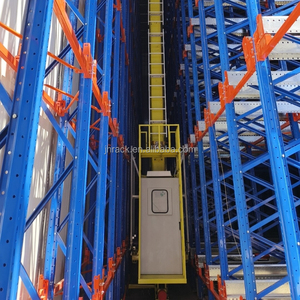
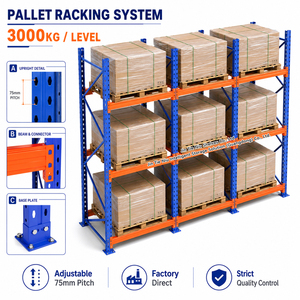
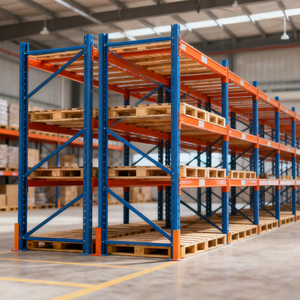
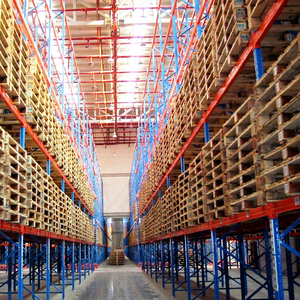
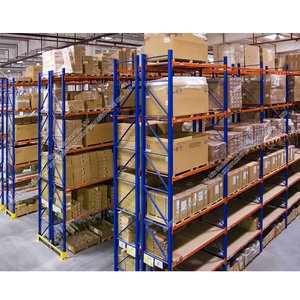
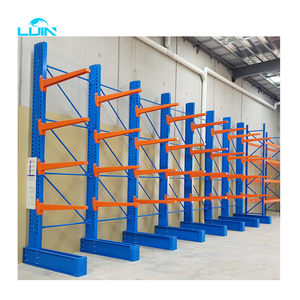
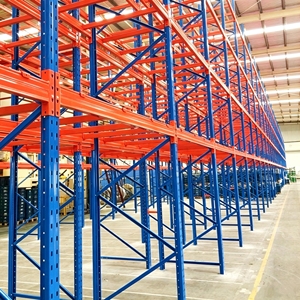
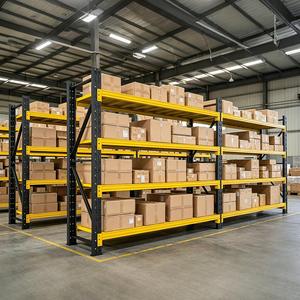
Featured Industrial Storage & Racking Machinery
Discover certified industrial warehouse systems, heavy-duty racking modules, and automated material handling equipment supplied by premier global manufacturers.
Enterprise Manufacturing Capabilities & Engineering Core Competencies
Why premier global wholesalers, third-party logistics (3PL) providers, and industrial operations partner with our engineering teams.
Seismic-Aware Structural Design
Every push back framework undergoes rigid Finite Element Analysis (FEA) testing. Layouts are fully verified against international seismic design standards, including ANSI MH16.1, EN 16681, and regional codes like NEC-SE-DS, guaranteeing structural integrity under intense dynamic earthquake accelerations.
Coastal Anti-Corrosion Finishing
For facilities in humid coastal ports (such as Guayaquil, Manta, or maritime logistics hubs), we utilize ISO 1461 hot-dip galvanizing and multi-stage electrostatic epoxy-polyester powder coating. Our finishes exceed 1,000-hour salt spray endurance tests, protecting components from rapid oxidation.
Precision Cold-Roll Forming
Manufactured exclusively from certified high-tensile structural steel grades (Q235B and Q355B). Automated continuous multi-station cold-roll forming mills ensure micro-millimeter dimensional tolerances, exceptional beam stiffness, and zero structural distortion under maximum design loads.
Turnkey Field Lifecycle Support
From initial 3D laser building surveys and concrete slab point-load analysis to professional installation by certified rigging crews, third-party rack safety audits, emergency upright repair, and total warehouse system relocation—we deliver unified single-source accountability.
Future Procurement Trends in Push Back Systems (2025–2030)
Strategic market forces, automation synergy, material science advancements, and sustainability mandates shaping next-generation warehouse racking investments.
1. Integration with Autonomous Mobile Robots (AMRs) & AGVs
The historical boundary between manual forklift-operated push back systems and fully automated storage is rapidly dissolving. Modern procurement mandates require push back cart entry faces to feature laser-guided reflective targets and sensor-aligned funnel guides. This allows Autonomous Counterbalance Forklifts and AMRs to load and push pallets with sub-millimeter positioning accuracy without manual driver intervention.
2. Cold-Chain Thermal Efficiency Optimization
With global cold-chain energy costs surging, sub-zero warehouse operators are replacing traditional selective layout designs with 4 to 6-deep push back systems. Compacting pallet storage inside deep-freeze vaults (-25°C) drastically reduces the cubic meter air volume requiring refrigeration, lowering compressor electrical consumption by up to 35% per stored pallet unit.
3. Ultra-High Tensile Steel Alloys & Carbon Neutrality
Procurement teams are prioritizing ESG compliance by specifying micro-alloyed, high-yield structural steels. These advanced alloys allow manufacturers to engineer lighter-weight rack profiles that retain maximum structural load capacity. Reduced raw steel weight yields a lower embedded carbon footprint during production and significantly cuts international ocean freight shipping emissions.
4. IoT Smart-Sensing Structural Health Monitoring
Next-generation industrial push back installations incorporate embedded strain gauges, tilt sensors, and wireless impact monitors on critical aisle uprights. Connected to warehouse management software (WMS), these smart devices issue real-time alerts if a forklift collision exceeds structural tolerance thresholds or if dynamic load asymmetry poses an unbalance safety hazard.
Evolution of Push Back Rack Engineering & Mechanical Innovations
From basic gravity-inclined carts to heavy-duty, linked kinetic mechanisms—exploring key technological breakthroughs.
The technological evolution of push back storage systems over the past two decades has centered on resolving three critical operational challenges: cart binding/jamming, runaway pallet acceleration, and pallet hang-up caused by defective wooden runners. Legacy push back designs relied on primitive steel channels with small plastic wheels that were prone to flat-spotting, derailment, and high roll-resistance under heavy operational loads.
Low-Profile Machined Carts
Modern systems utilize low-profile nested steel carts equipped with large-diameter, fully sealed precision steel ball bearings. This mechanical refinement reduces vertical height loss per level, maximizing available clear storage height while lowering rolling friction to under 1.5% grade slope requirements.
Dynamic Magnetic Flow Braking
To mitigate dangerous pallet acceleration during retrieval in 5 and 6-deep lanes, advanced manufacturers integrate eddy-current magnetic deceleration rollers within the rail track. These non-contact magnetic brakes automatically scale braking resistance proportional to pallet speed and weight.
Linked Anti-Lift & Safety Stops
Engineered with mechanically linked cart assemblies and robust mechanical safety stops, contemporary push back designs prevent cart lifting or accidental dislodgement when forklifts operate abruptly, ensuring full compliance with stringent OSHA and EU machinery safety standards.
Frequently Asked Questions (Procurement & Technical FAQ)
Detailed technical guidance for warehouse managers, structural engineers, and industrial buyers evaluating push back rack installations.