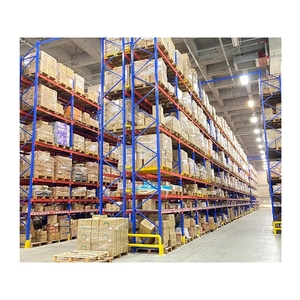
Heavy-Duty Pallet Racking
Direct factory supply featuring cold-rolled Q235B/Q355B steel racking, custom powder-coated finishes, boltless adjustable configurations, and certified structural integrity.
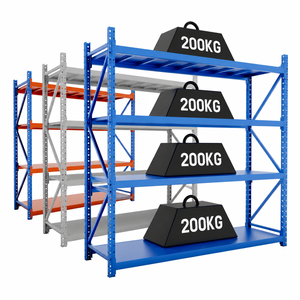
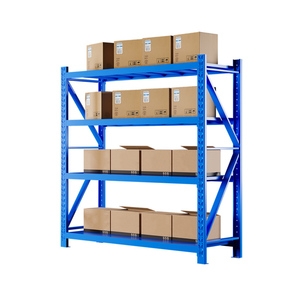
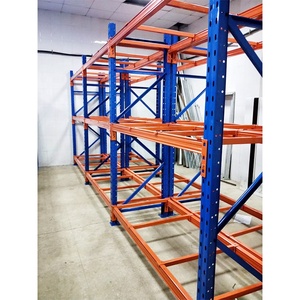
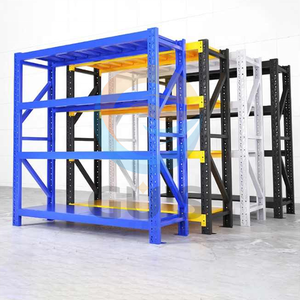
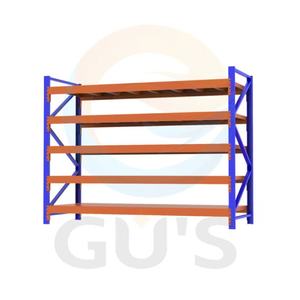
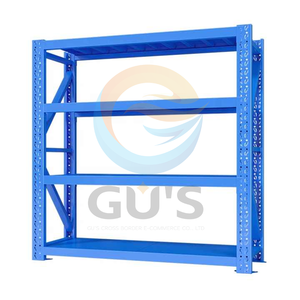
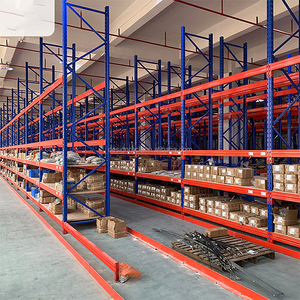
From seismic-aware structural calculation to high-salinity anti-corrosion finishes, our end-to-end manufacturing footprint bridges raw steel with optimized warehouse logistics.
For installations in high seismic activity regions across the Pacific Ring of Fire, every racking configuration undergoes rigorous structural calculations. We comply with ANSI MH16.1, EN 16681, and local construction norms (such as NEC-SE-DS), sizing heavy base plates, anchor embedment, and upright bracing accordingly.
Coastal logistics hubs in humid or salt-laden environments demand superior surface protection. We offer specialized hot-dip galvanization (HDG), pre-galvanized cold-rolled steel, and thermosetting epoxy-polyester powder coating tested up to 500 hours in salt spray chambers to eliminate micro-cracking and rust.
Our in-house structural engineering team translates your operational throughput, clear roof height, forklift turning radii, and SKU weight distribution into optimized 3D CAD models. Finite Element Analysis (FEA) simulates load deflections under maximum dynamic working stress before steel cutting begins.
Navigating geography from coastal ports to high-altitude mountain industrial zones requires specialized packaging and containerization. We engineer flat-pack shipping arrangements that maximize container volume, mitigate transit shock, and guarantee damage-free arrival on complex job sites.
We do not compromise on structural alloy integrity. Utilizing certified cold-rolled structural carbon steel with guaranteed yield strengths (235 MPa to 355 MPa), our upright frames and load beams provide safety deflection ratios strictly within 1/200th of span length under full nominal rating.
Our commitment extends beyond factory shipping. We offer load plaque certification templates, damaged upright replacement parts, post-protector retrofits, and comprehensive rack maintenance manuals to ensure third-party safety audit compliance.
The structural reliability of warehouse racking hinges entirely on cold-formed steel profiles. Standard heavy-duty racking relies on modified C-profile upright columns with continuous drop-hole or teardrop punching. During OEM/ODM fabrication, cold-roll forming induces strain hardening, increasing steel yield strength across structural corners.
When selecting between Q235B and Q355B high-tensile steel, structural engineers calculate the slenderness ratio ($\lambda = KL/r$) of the upright frame. For high-bay operations exceeding 10 meters in vertical elevation, Q355B steel reduces member weight while maintaining identical buckling resistance under combined axial loading and seismic sway.
Beam-to-column connections represent the critical load-transfer node. Our patented multi-hook connector lugs incorporate safety drop locks that require a minimum dislodgement force of 1500 kg per connector, exceeding RMI (Rack Manufacturers Institute) safety thresholds and preventing accidental forklift beam dislodgement.
The global material handling ecosystem is shifting rapidly toward automated, high-density, and ecologically resilient storage infrastructures. B2B procurement officers and warehouse directors must account for four macro-trends when issuing RFQs for new facilities:
Evaluating storage systems requires balancing floor space footprint against individual SKU accessibility. The table below outlines technical metrics for preliminary procurement decisions:
| Racking Architecture | Storage Density | SKU Selectivity | Structural Load Range | Anti-Corrosion Finish Options | Primary Industry Applications |
|---|---|---|---|---|---|
| Selective Pallet Racking | Moderate (40%) | 100% Direct | 1,000 kg – 4,500 kg / Level | Powder Coat / Pre-Galvanized | FMCG, General Distribution, Retail Hubs |
| Drive-In / Drive-Thru | High (75%) | Low (LIFO/FIFO) | 800 kg – 2,000 kg / Pallet | Hot-Dip Galvanized (HDG) | Cold Storage, Agricultural Export, Seasonal Stock |
| Push-Back Cart System | High (65%) | Moderate (LIFO) | 1,000 kg – 1,500 kg / Position | Epoxy Powder Coat | High-Throughput Warehousing, Beverage Logistics |
| Heavy-Duty Cantilever | Variable | 100% Selective | 500 kg – 3,000 kg / Arm | HDG / Exterior Epoxy | Steel Pipe, Timber, Rebar, Extrusions |
| Boltless Longspan Shelving | Moderate | 100% Manual | 100 kg – 800 kg / Level | Electro-Galvanized / Powder | Auto Parts, E-Commerce Picking, Hardware Spares |
Detailed technical answers to critical engineering, safety, customization, and export logistics questions encountered during factory procurement.
Seismic design involves far more than simply thickening structural steel. We utilize the modal response spectrum method outlined in ANSI MH16.1 and seismic codes like NEC-SE-DS. Our engineers analyze the fundamental vibration period of the loaded rack frame, factoring in ground acceleration factors ($S_s$ and $S_1$) specific to your city location. We then calculate ductile frame deformation, verify column baseplate anchor shear/uplift forces, and supply heavy-duty footplates with expanded anchor bolt patterns to safely dissipate lateral kinetic energy during seismic movement.
For coastal warehouses exposed to marine atmospheric corrosion (such as port facilities in Guayaquil or Manta), Hot-Dip Galvanizing (HDG) per ASTM A123 is the benchmark recommendation. HDG forms a metallurgical zinc-iron alloy layer that self-heals minor scratches. For standard climate-controlled enclosed warehouses, thermosetting epoxy-polyester electrostatic powder coating (60-80 microns thickness) provides excellent impact and scratch resistance. In cold storage facilities with frequent condensation cycle swings, pre-galvanized structural steel beam profiles offer optimal cost-to-corrosion longevity.
To produce an optimized CAD layout and price quotation, our engineering team requires:
1. Building floor plan layout indicating clear ceiling height, column spacing, building doors, and overhead obstacles (sprinklers, lighting, HVAC).
2. Pallet specifications: Width x Depth x Height (including goods) and maximum total pallet mass.
3. Material handling equipment details: Forklift or reach truck model, minimum operating aisle width (AST), and maximum lift height.
4. SKU distribution: Number of distinct product lines, turnover rates, and temperature/environmental conditions.
All load-bearing members are manufactured to maintain a nominal structural safety factor between 1.65 and 1.9 relative to the yield point ($F_y$) of the raw structural steel under static loading conditions. Furthermore, horizontal beam profiles are designed so maximum live-load vertical deflection never exceeds $L/200$ (Span Length divided by 200). Upright frame capacities are calculated considering unbraced length ($K L_x$) between horizontal and diagonal frame bracing nodes.
Yes. As a direct OEM/ODM factory supplier, we offer complete customization. Upright frames can be punched with specialized pitch configurations, custom vertical section depths (from 600mm to 1400mm), and varying steel gauges (1.5mm to 3.0mm structural wall thickness). Surface finishes can be color-matched to your exact corporate RAL palette using advanced automated powder coating lines, enabling distinct zone color-coding across large logistics distribution networks.
We utilize specialized 3D container packing software to optimize shipping volume inside 20GP, 40GP, and 40HQ containers, preventing dead space and reducing sea freight costs per unit. Upright frames are stacked with interlaid high-density foam separators, steel components are bundled with high-tensile strapping, and boxed beam connectors are shrink-wrapped on heavy wooden export pallets. Vapor Corrosion Inhibitor (VCI) films are inserted inside container packaging for overseas voyages to eliminate condensation rust.
Yes. Our manufacturing facility and structural designs strictly align with major global warehouse standards: ANSI MH16.1 (USA Rack Manufacturers Institute standard), FEM 10.2.02 (European Federation of Materials Handling), and EN 15512 structural design codes. We issue mill test certificates (MTC) for steel raw materials, load capability test certificates, and structural inspection documentation necessary for international insurance compliance and government building occupancy clearances.
We provide comprehensive lifecycle support including load warning plaques, installation assembly drawings, and anchor torque specifications. We manufacture a full suite of protective accessories—including heavy-duty steel post protectors, row end frame barriers, wire mesh decking, and pallet backstops. Replacement parts for damaged uprights or beams can be ordered directly from our factory referencing your original CAD project code.
Connect directly with our senior structural engineers and global export specialists. Submit your warehouse floor plan or engineering RFQ for a complimentary CAD layout and structural quotation.